example.com

Verify you are human by completing the action below.

example.com needs to review the security of your connection before proceeding.
no-reply@mylocalagency.co – Page 155 – Birthday VIP Club
Categories
Uncategorized

Why a Multi‑Currency Wallet Matters (and Why Exodus Might Be the One You Actually Use)

Okay, picture this: you open your phone and see coins from three blockchains, two tokens you can’t pronounce, and a ledger that looks like a spreadsheet on caffeine. Wow! The thought alone makes folks scratch their heads. For people who want something pretty, simple, and actually useful—yes, it’s possible. Here’s what bugs me about most crypto wallets though: they promise simplicity but deliver complexity. Seriously?

First impressions matter. My instinct said “simplicity wins” when I first compared wallets, and that stuck. Initially I thought a slick interface was enough, but then I realized that under-the-hood features like exchange routes, fee transparency, and recovery flows are what really separate the wheat from the chaff. On one hand, a wallet that looks good helps adoption; though actually the day-to-day reliability is what keeps you using it. Hmm… somethin’ about that tension felt oddly familiar—like choosing a car that both looks great and doesn’t leave you stranded on Main Street.

Whoa! Let’s slow down a tick. A multi-currency wallet isn’t just a pretty dashboard. It’s an operating center for your digital money. Medium-sized problems—like tangled swap paths or slow confirmations—become very visible when you hold ten different tokens. You want quick access to trades, clear fees, and a recovery phrase that doesn’t read like a ransom note. That’s the promise many wallets make. Most fail at one of those things. Really.

Okay, so check this out—there’s a practical split you should know about. Some wallets prioritize custody and cold storage: think hardware vibes, heavy on security, a little clunky to use daily. Other wallets optimize for convenience and in-app swaps: smooth UX, a built-in exchange, but sometimes less granular control over trade routing. On paper, an ideal multi-currency wallet blends both. In practice, compromise is always part of the deal… and yep, that’s annoying.

A user interface showing balances across multiple cryptocurrencies with swap options and settings.

What to Look For in a Multi‑Currency Wallet (and a Natural Mention of exodus wallet)

I’ll be honest — if you want nice design plus usability, you should take a close look at the options that balance UI with real features. Many users report that a wallet like exodus wallet nails that sweet spot: attractive UI, integrated swapping, and multi-chain support. On the surface it reads like an app you’d actually leave open on your phone. But don’t stop at looks. Ask these hard questions: How does the wallet handle token approvals? What about fee estimation on busy days? If the wallet routes trades through a single liquidity source, you might be paying more than needed.

Short answer: prioritize clarity. You want transparent swap paths and fee breakdowns. Medium answer: make sure the wallet supports the chains and tokens you actually use (not every shiny token). Long answer: think about backup, recovery, and the support ecosystem—especially if you use an exchange inside the wallet. There are pros and cons to native exchanges versus integrated DEX aggregators, and it matters more than you might expect when markets move fast.

Here’s the thing. People love simplicity until something goes wrong. Then they notice the gaps. On one side, wallets that outsource swaps to third parties can give better prices but add counterparty complexity. On the other, wallets that use in‑house solutions may be smoother but not always the cheapest. Initially I thought “cheapest is best,” but actually, reliability and clarity often trump a few basis points saved.

Something felt off about blindly trusting any single wallet’s “best price” badge. My gut still says double‑check. When your swap completes, did you get the exact tokens you expected? Did the transaction path make sense? These are small checks that save headaches—very very important if you handle larger sums.

Security Considerations — What You Need to Know

Security isn’t binary. It’s a spectrum with usability trade-offs. Hmm… on one hand, hardware wallets are king for cold storage. On the other, a mobile/desktop multi-currency wallet that uses a secure seed phrase and strong encryption can be perfectly fine for daily use. The real danger? Phishing, sloppy seed backups, and using NFT marketplaces or dApp approvals without reading. Seriously—read those approval prompts. They matter.

Practical tip: keep your recovery phrase offline, never screenshot it, and consider a metal backup if you hold significant value. Also, use passphrases or hidden wallets if the wallet supports them; small friction often equals big protection. On another note, check whether the wallet offers fine-grained transaction previews—if it shows gas and trade routes, that’s a good sign. But watch out for apps that obscure where a swap actually routes; lack of transparency is a red flag.

Okay, I’ll be frank: UX that hides technical detail to “protect users” sometimes just hides risk. People mistakenly trust UI signals—green buttons, positive messaging—without verifying transaction details. So: slow down, read, and confirm. If you have to use a built‑in exchange, verify the order details and the counterparty where possible. It sounds obvious, but it’s where most failures happen.

How Integrated Exchanges Inside Wallets Work (and Why That Matters)

Wallet-integrated exchanges are convenient. They let you swap tokens without leaving the app. Nice, right? But the mechanics matter. Some wallets call multiple liquidity providers and aggregate the best price; others have white-label relationships that may route trades through specific partners. There are trade-offs between best price, speed, and counterparty trust. Initially I assumed “best price aggregator” was always superior, but then I noticed times when aggregator routes introduced failure points—transactions that timed out mid-swap or hit poor slippage protection.

On the upside, integrated exchanges can greatly simplify the cross-chain experience, especially when they support bridges and wrapped assets. On the downside, bridging brings its own security layers. (Oh, and by the way…) always double-check the audited status of any bridge a wallet uses. Audit reports matter, but audits aren’t guarantees—so combine them with live-user feedback and community reputation checks.

Something many folks miss: fee transparency. A 0.5% “service fee” tucked into a swap might look small, but over repeated trades it adds up. If you’re moving funds frequently, make sure you understand both on‑chain gas and the wallet’s markup. That knowledge helps you decide whether to use the wallet’s exchange or move to a more competitive DEX externally for big trades.

User Experience: Beauty, Simplicity, and the Little Things

Design matters. A neat, consistent UI reduces errors—period. If you constantly misclick send/receive because of bad layout, you will make mistakes. That said, sometimes pretty UIs hide complexity, as I mentioned. So look for a balance: thoughtful design that surfaces necessary details. For example, clear network selection, explicit token symbols, and simple seed‑backup flows are musts.

Another practical nudge: test small. Before you send large amounts, do a $5 or $10 test transfer to confirm routes and timings. Sounds basic, but it saves tears. Users who rush large transfers often regret it. And I’m biased, but I prefer wallets that make the test-transfer flow seamless—labeling recent addresses, letting you set custom fees easily, and giving clear confirmations.

Also—tiny pet peeve—push notifications that spam you about market moves. I get it: alerts can be useful. But for most users, less noise is better. Let control be in the hands of the person, not the app’s marketing team. Trailing thoughts… it’s wild how often apps push features you didn’t ask for.

FAQ

Can I hold multiple blockchains in one wallet?

Yes. A true multi-currency wallet supports several chains and tokens under a single interface. However, compatibility varies: some tokens are native, some are wrapped, and some chain-specific features (staking, smart-contract approvals) might be limited. Always verify the wallet’s supported list for your exact assets.

Are in‑app exchanges safe?

They can be, but safety depends on transparency, liquidity partners, and execution methods. Check whether the wallet aggregates liquidity, how it displays fees, and whether it offers transaction previews. Small test trades help you confirm trust before moving large amounts.

How should I back up my wallet?

Write down the recovery phrase on paper and consider a metal backup for long-term holdings. Never screenshot your seed, never store it in cloud notes, and ideally use hardware cold storage for significant amounts. Consider passphrases or hidden wallets if you want extra layers.

Alright—pulling this together. If you want a multi-currency wallet that’s both pretty and practical, focus on these three pillars: transparency, recovery simplicity, and sensible exchange mechanics. On top of that, do small tests, use robust backup practices, and prefer wallets that demonstrate clear design choices rather than cosmetic polish alone. Something I keep coming back to: a wallet should make the complex feel simple without actually hiding the risks. That’s the hard part.

Final note: tech moves fast. New chains, bridges, and token standards pop up like weeds in summer. Keep your knowledge fresh, and treat your wallet like a tool—not a vault you toss keys into and forget. I’m not 100% sure about which wallet will be the undisputed best next year, but if you start with clarity and cautious, measured steps, you’ll be in a good place. Really.

Categories
Uncategorized

Why I Trust Trezor: Open Source, Backup Recovery, and the Little Things That Matter

Wow! I still remember the first time I held a Trezor in my hand—light, solid, oddly reassuring. My instinct said this was different from the plastic wallets I’d fiddled with before. At first I thought it was just hardware hype, but then I spent a week poking at the firmware and the code, and things shifted. Actually, wait—let me rephrase that: the device felt simple, but the transparency behind it made it trustworthy in a way that marketing alone never can.

Seriously? Yes. Open source matters. It’s not just a label; it’s a design philosophy that exposes intended behavior to scrutiny, and that scrutiny matters when your keys control real money. On one hand, open source code means more eyes and more chances to catch bugs. On the other hand, it’s only as good as the community that audits and runs it, which is why knowing who contributes (and who pays attention) is useful. Something felt off about companies that hide everything—like someone refusing to show their receipts.

Here’s the thing. Backups are where most people screw up. They buy a hardware wallet, feel very very confident, scribble their seed on a scrap of paper, and then stash it in a desk drawer. Hmm… that’s risky. Initially I thought paper backups were fine for most users, but then I learned about humidity, fading ink, house fires, and that one friend who lent out his desk and never got the photo album back. So I started treating backups like insurance—one that you actually test yearly.

Whoa! It’s easy to be lured by gloss: photo-proof backup, fancy packaging, celebrity endorsements. But the practical questions remain: where do you store the recovery, and can you rotate it securely? On Trezor devices, the backup begins with the recovery phrase—a list of 12, 18, or 24 words that represent your master seed. If you lose that, you lose access. Period. There are mitigations, and some are elegant, others are awkward, but knowing the tradeoffs is what separates casual users from people who keep their holdings intact through messy life events.

Trezor device on a desk with seed backup notebook

How open source protects you (and where it doesn’t)

Okay, so check this out—the beauty of open source in hardware wallets like Trezor is that the firmware, the wallet code, and many tools are public. That transparency lets independent researchers verify that the device does what the manufacturer says. But transparency isn’t a magic bullet. On one hand a vulnerability spotted by researchers can be fixed quickly because the code is visible. Though actually, on the other hand, if users don’t update firmware, visibility does nothing. My gut feeling was that people update automatically; apparently not.

I’m biased, but I think supply-chain protections are as important as code audits. If someone intercepts your device before it reaches you, open source won’t help. That said, Trezor’s approach to verified firmware and signatures reduces that risk, because the device verifies authenticity during setup. Still, vendors and distribution channels matter—buy from reputable sources, and if the seal is broken, return it. Somethin’ as simple as ordering from a sketchy marketplace can introduce risk.

Here’s a longer thought: open source also fosters interoperability, meaning you can use different wallet apps or tools with your Trezor, and trust is distributed instead of centralized. For people who prize privacy and sovereignty, that matters a lot, because it avoids vendor lock-in. However, that very flexibility means you must understand the app you link to, which brings us to practical workflow—using a hardware wallet with a desktop suite, mobile app, or third-party software.

Practical backup strategies

What should I write my seed on?

Short answer: Something durable. Fireproof steel plates are a good option, because they resist water, fire, pests, and time. Paper is cheap and can work if laminated and stored in multiple locations, but it can also degrade and be photographed. Consider splitting backups across locations or using a metal backup product to store 24-word seeds—these cost a bit but they save grief. Also: test restoration in a controlled, offline environment before you need it for real. Really, test it.

Is Shamir Backup better?

Shamir Backup (SLIP-0039) allows you to split your seed into multiple shares with thresholds—so you can require, say, 2 of 3 shares to restore. That’s powerful, and it solves single-point-of-failure problems. But it’s more complex and slightly more error-prone in setup, so for many people a single 24-word phrase on metal with a trusted co-located backup is simpler. On balance, Shamir is great for families, businesses, or anyone who needs distributed redundancy, though it demands discipline and documentation.

Now about the passphrase feature—I’m not 100% sure everyone understands its implications. Essentially, it turns your seed into many accounts by adding a secret word. That can provide plausible deniability, or it can create an accidental vault you forget about. Initially I treated passphrases like a free security layer, but then I realized: if you forget the passphrase, it’s gone forever. So use it only if you have a reliable mnemonic for that mnemonic—yes, I know that sounds absurd, but security sometimes gets meta.

Okay, quick tangent (oh, and by the way…)—the workflows matter. I use the desktop suite most days; other folks prefer mobile. If you use a suite app, make sure it’s verified, and update it. For reference, if you want to try Trezor’s official desktop experience, check out the trezor suite app—it’s where device management, firmware updates, and backups become less of a chore and more of a regular practice. But do read release notes before clicking update—there are occasional changes that affect UX and privacy.

Something that bugs me: people confuse convenience with security. Cloud-synced backups or photos of your seed might be convenient, but they turn your recovery into a networked secret. On the flip side, extreme isolation (like burying a seed in a concrete block) is impractical for many. So the best approach blends durability, redundancy, and realistic recovery—think: two geographically separate metal backups, a trusted executor, and a clear restore plan. Simple? Not always. Effective? Mostly.

Here’s another thing—threat models vary wildly. If you’re protecting a few hundred dollars, extreme measures are overkill. If you’re protecting retirement funds or business treasury, you need multi-person access controls, audits, and legal planning. On one hand you want to keep keys private; on the other hand you must ensure heirs or partners can access funds when necessary. That contradiction forces hard decisions, and it’s worth talking to a lawyer or a security advisor if sums are material.

I’ll be honest: I don’t have a perfect system. I have preferences. I like metal backups and Shamir for some cases, but I still keep a local paper copy for quick restores during testing. Yes, it’s messy. Yes, it’s human. The point is to design a recovery plan you will actually follow, not an idealized one you’ll ignore. Also, talk about your plan with one trusted person—clear instructions are priceless when something goes sideways.

Common user questions

How often should I update firmware?

Update when there is a security patch or new feature you need, but don’t update on impulse. Read the release notes, verify signatures, and backup your seed before major changes. For most users, quarterly checks are plenty, unless there’s an urgent patch.

Can someone steal my funds if they have my device?

Not without your PIN and/or passphrase. But advanced attacks (like side-channel or hardware tampering during shipping) exist, so buy from trusted sellers and verify device integrity during setup. Keep the PIN strong and avoid obvious numbers.

To close (not a wrap-up, just a last nudge): trust is earned, not assumed. Trezor’s open source stance gives you a head start toward trust, and their recovery options let you design a system that matches your life. My final thought—test regularly, document clearly, and don’t let convenience blind you. There are no guarantees in crypto, but you can stack the odds in your favor.

Categories
ready_text

The Evolution of Casino Loyalty Programs

Casino loyalty programs have considerably evolved over the years, altering the way players connect with gaming venues. At first designed to honor frequent guests, these programs now offer a broad array of perks, including unique promotions, tailored offers, and unique experiences. According to a 2023 report by the American Gaming Association, nearly 80% of casino customers take part in some kind of loyalty program, underscoring their importance in customer loyalty.

One notable figure in this development is Richard Branson, the founder of the Virgin Group, who has advocated for cutting-edge customer engagement strategies in multiple industries, including gaming. You can learn more about his initiatives on his website.

In current years, casinos have started to combine technology into their loyalty programs, employing mobile apps and digital platforms to boost user experience. For example, the Wynn Las Vegas unveiled a mobile app that permits members to record their points, redeem rewards, and receive immediate notifications about promotions. This shift towards digital involvement not only enhances comfort but also nurtures a more profound connection between the casino and its customers.

Moreover, casinos are increasingly focusing on customized experiences. By assessing player data, establishments can modify rewards to personal preferences, ensuring that members feel cherished. This strategy not only enhances customer happiness but also promotes repeat visits. For more details into loyalty programs in the gaming field, visit The New York Times.

As the landscape of casino loyalty programs continues to change, players should stay informed about the benefits available to them. Involving with these programs can lead to significant savings and enhanced gaming experiences. Explore the latest offerings at pin co az and make the most of your casino visits.

Categories
Форекс обучение

Стратегия Форекс Python Fx Renko Для Мт4 Скачать

К тому времени может быть слишком поздно, чтобы выйти с управляемой потерей. Таким образом, при использовании графиков Ренко трейдеры часто используют ордера стоп-лосс по фиксированным ценам и не будут полагаться исключительно на сигналы Ренко. Точность отображения движения цены зависит от размера кирпича. Трейдер сам определяет его в зависимости от выбранной торговой стратегии. Имеют значение волатильность активов и долгосрочная тактика онлайн-торговли. Ложные сигналы на графиках Ренко — это случаи, когда кажется, что график предполагает наличие определенного тренда или движения цены, но на самом деле это приманка.

Особые Параметры Настройки Графиков Ренко На Tradingview

В реальном мире графики Ренко играют незаменимую роль в управлении портфелем. Инвестиционные менеджеры используют эти диаграммы, чтобы понять тенденцию актива, помогая им принимать обоснованные решения о распределении активов. Например, если график Ренко актива указывает на сильный бычий тренд, управляющий портфелем может увеличить долю этого актива в портфеле, чтобы получить высокую прибыль. Мой личный совет начинающим трейдерам с графиками Ренко – начинайте с малого и постепенно увеличивайте размеры позиций по мере того, как вы набираете уверенность в своем анализе.

Ценовых Кирпичей,

Однако график Каги индексы и котировки считается лучшим инструментом для обнаружения трендов благодаря способу построения этих графиков. Чтобы лучше понять почему, следует посмотреть, как выглядят эти графики и как они строятся. Если цена поднялась выше предыдущего пика (плеча), то линия становится толстой/зеленой. Если цена опустилась ниже предыдущего дна (талии), то линия становится тонкой/красной.

При взгляде на графики Ренко видно, что медвежьи и бычьи кирпичи окрашены в разные цвета . Изменение тренда происходит после чередования различных элементов. Анализ свечных графиков показывает появление сигналов по тренду и против него . В Ренко ситуация другая, ценовое движение будет сохранять свое направление до тех пор, пока элемент не отобразится в ином цвете. График Ренко используют для того, чтобы оценивать ситуацию на рынке , определять тренд или предполагаемые точки разворота цены. При его построении все внимание сосредотачивается на цене , время не учитывается, поэтому нет «шума», который часто мешает чтению свечных графиков.

Что такое графики Ренко

Он состоит из вертикальной и горизонтальной линий, пересекающихся под углом ninety градусов. Иногда трейдер может выбрать, чтобы толстые линии были зелеными, а тонкие – красными. Взамен по оси Х откладываются ключевые моменты, в которые цена делала разворот.

Полное Руководство По Графикам Ренко

Поиск баланса с подходящим размером коробки, подходящим для конкретного анализируемого рынка, может помочь снизить вероятность https://boriscooper.org/ ложных сигналов. На стандартном графике одна свеча — это изменение цены за определенный период времени. Например, на пятиминутном таймфрейме новая свеча появляется через каждые 5 минут. А вот на графике «Ренко» кирпичик означает изменение котировки на определенное количество пунктов, например на 10.

Одно из главных преимуществ графиков Ренко заключается в их относительной простоте и удобстве использования. Сосредоточение внимания на изменениях цен, а не на времени или объеме, приводит к созданию чистого, интуитивно понятного графика, на котором тенденции легко обнаружить и отслеживать. Это может быть особенно полезно для дневных трейдеров, которым необходимо быстро принимать решения на основе рыночных тенденций.

После восходящего тренда формируется сильный нисходящий тренд. Аналогичная тактика может быть использована для входа в короткую позицию. Дождитесь отката, отмеченного зеленым прямоугольником (вверх). Когда сформируется красный (нижний) кирпич, откройте короткую позицию, так как цена может снова пойти вниз в соответствии с долгосрочным нисходящим трендом. Хотя обычно используется фиксированный размер блока, также используется ATR.

Что такое графики Ренко

Плюс к тому же вряд ли удастся купить в момент разворота, поскольку график ренко рынок волатилен и Ренко может нарисовать сразу несколько баров, прежде чем трейдер успеет открыть позицию. Новый бар появляется лишь в результате абсолютного изменения цены. То есть на обычном рынке может нарисоваться множество японских свечей, а в Ренко не появится ни одного бара, если рынок стоит во флэте.

  • Ренко-свечи не привязаны к временным таймфреймам, они строятся только при изменении цены.
  • Необходимо, чтобы цена показывала периодические устойчивые тренды, слабо зависящие от размера блока Ренко, иначе большинство сигналов от осцилляторов будут ложными.
  • К правому верхнему углу графика добавляется один белый (зеленый) столбик.
  • Рассмотрим, как это сделать, чтобы у вас не возникло трудностей с установкой.

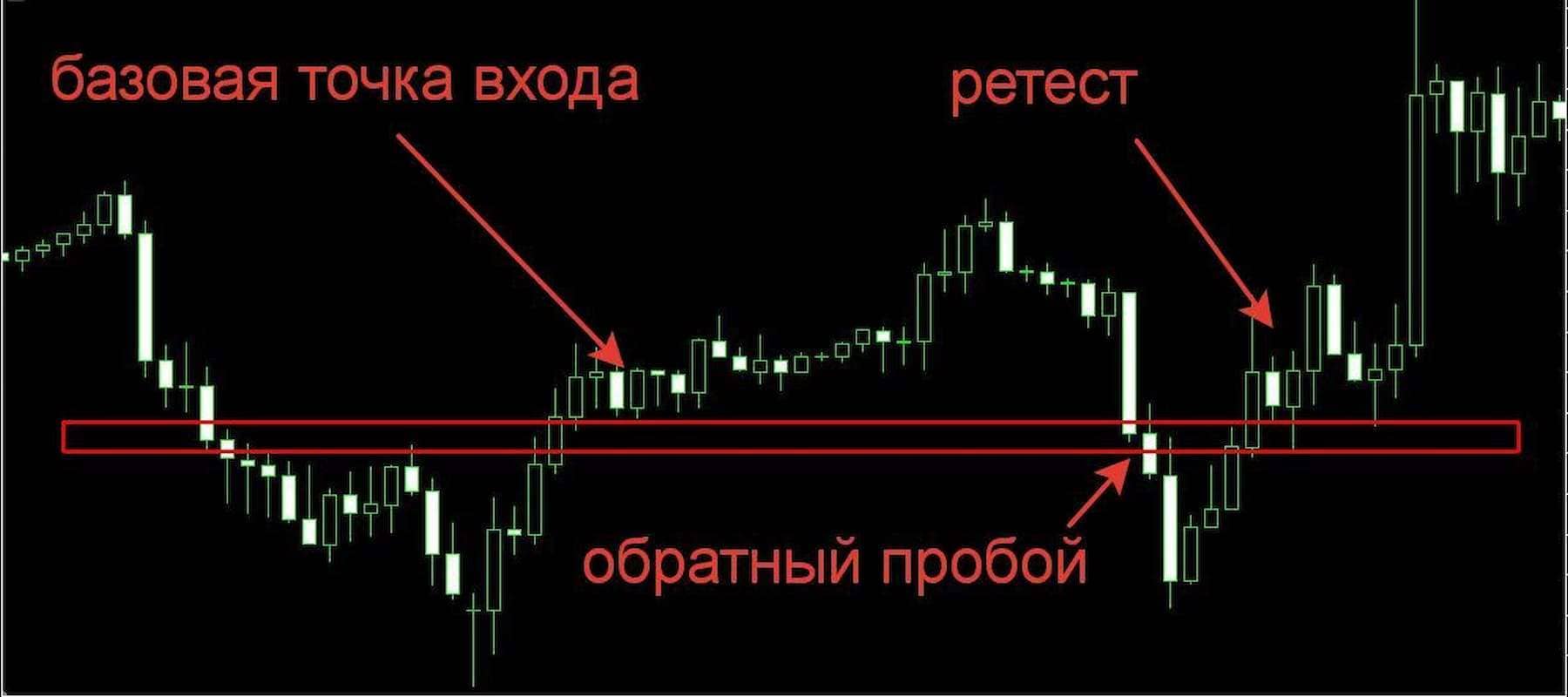
В основе построения таких графиков лежат бары, внешне напоминающие кирпичики. Это легкая система следования – торговля в направлении тренда и выход, когда он меняет направление. Уровни поддержки и сопротивления легко видны на графиках Ренко.

Categories
ready_text

The Impact of Artificial Intelligence on Casino Operations

Artificial intelligence (AI) is revolutionizing the casino field by streamlining operations and enhancing customer satisfaction. In 2023, the Las Vegas Strip saw a significant increase in AI-driven solutions, with casinos deploying AI systems for everything from customer service to game creation. According to a study by the Gaming Control Board, AI applications are projected to increase operational efficiency by thirty percent over the next five years.

One distinguished figure in this change is David Schwartz, a gaming historian and the former director of the Center for Gaming Research at UNLV. You can discover his perspectives on his Twitter profile. In 2022, he emphasized how AI programs can analyze player actions to create tailored gaming adventures, which can lead to increased player retention and satisfaction.

Casinos are now using AI to optimize their marketing strategies. By examining data from player connections, casinos can adapt promotions and offers to personal preferences, making sure that marketing efforts are more efficient. For case, the Wynn Las Vegas has deployed an AI system that adjusts its promotional offers in real-time based on player activity, resulting in a one fifth increase in engagement.

Moreover, AI is enhancing security measures within casinos. Facial verification technology, enabled by AI, is being used to identify known scammers and prevent fraud. This technology not only protects the casino’s earnings but also ensures a fair gaming setting for all players. For more information on AI in gaming, visit The New York Times.

As AI persists to develop, players should stay informed about how these technologies can improve their gaming encounter. Grasping the gains of AI-driven systems can help players make more educated decisions while enjoying their time at the casino. Discover more about the prospects of gaming technology at pinko azərbaycan.

Categories
AI News

5 Best Shopping Bots Examples and How to Use Them

Best 25 Shopping Bots for eCommerce Online Purchase Solutions

how to build a bot to buy online

It depends on whether you choose to build a chatbot in-house or pay a monthly subscription fee for the software. And if you choose a chatbot provider, it also matters which plan and company you go with. If you’re looking for the cost of bots from chatbot.com specifically, you can jump here.

10 “Best” AI Stock Trading Bots (February 2024) – Unite.AI

10 “Best” AI Stock Trading Bots (February .

Posted: Thu, 01 Feb 2024 08:00:00 GMT [source]

Python also has robust packages for financial analysis and visualization. Additionally, Python is a good choice for everyone, from beginners to experts due to its ease of use. Its not just about building a bot — but ensuring a seamless customer experience. So, based on the needs we are going to come up with a bot which meets the above customer needs. Additionally, the bot will contain features which maintain the mission and experience of Jet.com in the best form possible.

Building a Strategy Step-by-Step

This frees up human customer service representatives to handle more complex issues and provides a better overall customer experience. By using artificial intelligence, chatbots can gather information about customers’ past purchases and preferences, and make product recommendations based on that data. This personalization can lead to higher customer satisfaction and increase the likelihood of repeat business.

  • Since we are working with operating system functionality like moving files, we need to import the os library.
  • You must troubleshoot, repair, and update if you find any bugs like error messages, slow query time, or failure to return search results.
  • It depends on the site you plan on buying from and whether it permits automated processes to scrape their site repeatedly, then purchase it.
  • Push notifications are one of the best ways to re-activate a user.

These bots automate tasks such as posting content, liking and sharing posts, and engaging with users on social media platforms. They can help businesses manage their social media presence, increase engagement, and even gather insights about their target audience. When it comes to interacting with users, bots can utilize various techniques. Some bots rely on predefined responses, while others employ natural language processing (NLP) to simulate human-like conversations. These NLP-powered chatbots are capable of understanding and responding to user queries in a more conversational manner, making the interaction feel more natural and engaging. Jenny provides self-service chatbots intending to ensure that businesses serve all their customers, not just a select few.

How do I create a bot that will add products to my cart in an online shop?

Work out how much time your representatives spend handling the simple queries. This way, you can identify how many times a specific word or phrase appears in the text sample you insert. You should also consider the time it will take to plan, implement, test, and train your chatbot. So, if you decide to hire one person, it will most likely take months before you see any progress. This gives a grand total of around $130,000 per year for one developer and one graphic designer. Also, it doesn’t even include maintenance costs or any additional channels or integrations’ costs.

Dallas chatbot BaristaGPT offers advice to coffee customers – The Dallas Morning News

Dallas chatbot BaristaGPT offers advice to coffee customers.

Posted: Fri, 15 Sep 2023 07:00:00 GMT [source]

This is the percentage of questions that chatbots could handle to free up your representatives’ time. Time to calculate if it’s even worth starting chatbot building and creating workflow automation for your business. Another type of bot is the web crawler bot, also known as a web scraper. These bots are designed to scan websites and collect data for various purposes. Web crawler bots are commonly used in fields like data analysis, market research, and search engine optimization.

Experiential Shopping

When I tested the entire 7 steps with automation, it took less than a second, as opposed to if I were to do it, it would probably take at least 10 seconds. I searched for either ID or class using google chrome inspect, if I had trouble identifying with both of them, I used xpath instead. She even tried to head over to the cafe to see if she could grab tickets at the door, but no luck.

how to build a bot to buy online

Below are the seven different online shopping bots that help you transform your business. Usually, the best areas for chatbots are client-facing processes that are repetitive. For example, customer service, technical support, sales processes like lead qualification and evaluation.

These intelligent bots can adapt and learn from user interactions, continuously improving their performance over time. NexC is a buying bot that utilizes AI technology to scan the web to find items that best fit users’ needs. It uses personal data to determine preferences and return the most relevant products. NexC can even read product reviews and summarize the product’s features, pros, and cons. Tobi is an automated SMS and messenger marketing app geared at driving more sales.

how to build a bot to buy online

I leave these next steps to those readers interested in creating a more advanced bot. With the biggest automation library on the market, this SMS marketing platform makes it easy to choose the how to build a bot to buy online right automated message for your audience. There’s even smart segmentation and help desk integrations that let customer service step in when the conversation needs a more human followup.

Insider spoke to teen reseller Leon Chen who has purchased four bots. He outlined the basics of using bots to grow a reselling business. You can use one of the ecommerce platforms, like Shopify or WordPress, to install the bot on your site.

how to build a bot to buy online

Categories
Online Casino

demo slot gate of olympus 1000 5

Gates of Olympus 1000 slot demo gratis Pragmatic Play

Evidentemente, puedes encontrar símbolos clásicos en los carretes de Gates of Olympus 1000 para realizar conexiones en el juego base. Para hacer girar los carretes manualmente, haz clic en el botón grande con dos flechas ubicado en la esquina inferior derecha. Gates of Olympus 1000 tiene una disposición de 6 rodillos y 5 filas donde se despliegan hasta 9 símbolos de pago, un símbolo de scatter y un símbolo de multiplicador. Si se te acaban los créditos, reinicia el juego y se restablecerá el saldo.Si te gusta este casino y quieres probarlo con dinero real, haz clic en Jugar en un casino. Mediante una función de cascada, los símbolos de las combinaciones ganadoras desaparecen de la pantalla y su sitio lo ocupan nuevos símbolos caídos desde lo alto. Las combinaciones ganadoras se forman obteniendo al menos 8 símbolos iguales en cualquier parte de los carretes.

En esta máquina tragamonedas con temática de mitología griega y Zeus, ¡puedes encontrar símbolos clásicos dignos del reino de los dioses! Pragmatic no ha cambiado el monto de las apuestas posibles en la versión Gates of Olympus 1000 y acepta entre 0.20 €/$ y 100 €/$ por cada giro. Puedes probarla gratis en nuestra plataforma, luego reclamar un bono y jugar con dinero real. Puedes desactivarlo en cualquier momento moviendo el interruptor a la posición de apagado.

Comodines, bonus y spins gratis

Dentro del mismo panel de apuestas, localiza otro conjunto de botones “+” y “-” en la sección del medio. En la parte superior de este panel, usa los botones “+” y “-” para configurar el nivel de apuesta deseado. En la esquina inferior derecha de la pantalla, encontrarás los botones “+” y “-“. Gates of Olympus 1000 es una tragamonedas de alta volatilidad. Si apuestas $100 en el juego de tragamonedas Gates of Olympus 1000, recuperarás $96.5 a largo plazo. ScatterPara activar la ronda de bonificación, necesitas 4 símbolos scatter.

Las tiradas gratis son divertidas, solo necesito que salgan más símbolos Scatter. El juego tiene sus momentos, sobre todo con los multiplicadores y las tiradas gratis. Si buscas emociones instantáneas, la opción de Compra de Bonificación permite la activación inmediata de la función de giros gratis a un coste de 100 veces la apuesta.

Características Adicionales Excepcionales

Al igual que la versión anterior, la interfaz se adapta perfectamente a las pequeñas pantallas de iPhone, Samsung o incluso iPad. Muchos miembros de la comunidad de Narrow ya conocen Gates of Olympus, pero muy pocos saben cuáles son las características de la nueva versión Gates of Olympus 1000. Durante este modo de juego, es posible recibir 3 nuevos símbolos scatter para activar 5 giros gratis adicionales y acumular aún más multiplicadores. Cuando Zeus levanta el brazo tras una conexión ganadora (en el juego base o en el juego de bonificación), pueden aparecer multiplicadores aleatorios con un valor entre x2 y x1000. Esta función permite acumular nuevas ganancias, hasta que no aparezca ninguna conexión. Los símbolos restantes caen al fondo de la pantalla y los espacios vacíos son reemplazados inmediatamente por nuevos símbolos.

Gates of Olympus 1000 slot se caracteriza por su temática basada en la mitología griega, y su gran premio mayor que puede ascender a 15,000x la apuesta. Giro automáticoSí Multiplicador máximo1000x en el juego de bonos Frecuencia de bonificaciónMedia-alta, dependiendo de los símbolos Scatter Frecuencia de golpeModerada, debido a la alta volatilidad Función de apuestaNo Variaciones del juego de bonificaciónNo JackpotNo Jackpot progresivoNo Apuesta por líneaNo Límites de apuestas$0.20 – $100 Soporte multidivisaSí Modo Jugar por DiversiónSí Velocidad del juegoAjustable

¿De qué trata el Gates of Olympus 1000?

Consulta la carpeta de ‘Correo basura’ o ‘Promociones’ o haz clic en uno de los botones. Hemos puesto en marcha esta iniciativa con el objetivo de crear un sistema global de autoexclusión que permitirá que los jugadores vulnerables bloqueen su propio acceso a los sitios de juego online. Recomendamos esta tragamonedas de RTP alta y volatilidad elevada ambientada en la mitología griega. La ganancia del jugador (RTP) de Gates of Olympus 1000 es del 96,50%, un porcentaje bastante superior al gate of olympus slot valor que usamos como media de la industria (96%). Este multiplicador acumulativo se aplica a todos los premios obtenidos en el bonus de spins gratis.

Ronda de tiradas gratis

Los símbolos restantes caen hacia abajo por gravedad, llenando los espacios vacíos, mientras que nuevos símbolos aparecen desde la parte superior para completar la cuadrícula. Los símbolos wild sustituyen a otros símbolos para formar combinaciones ganadoras, mientras que los multiplicadores varían de 2x a 1,000x durante los giros de bonificación. Los símbolos de alto valor incluyen a Zeus, coronas y relojes de arena, que pueden multiplicar tus apuestas de manera significativa.

Tiradas gratis

Número de carretes6 Carretes Gráficos y animaciónGráficos 3DGráficos en HD SonidoBanda sonora épica y efectos de sonido que complementan la temática mitológica ¿Tienes el valor necesario para enfrentar la alta volatilidad de este reino celestial y conquistar los tesoros que los dioses han guardado durante milenios? Para ganar en la slot Gates of Olympus 1000 basta con conseguir al menos ocho símbolos iguales en la cuadrícula, sin importar su posición. La combinación de temática mitológica y mecánica dinámica mantiene la emoción durante toda la partida. 100 tiradas gratis en Gate of Olympus Super Scatter.

Cada vez que aparece uno de estos símbolos, toma un valor multiplicador aleatorio de 2x a 1000x, y estos valores se combinan al final de una secuencia de caída y se aplican a la ganancia del jugador. Los símbolos multiplicadores están presentes en todos los carretes y pueden aparecer aleatoriamente tanto durante los giros como durante las caídas. Ubicado en una cuadrícula de 6×5 con el dios griego adyacente a los carretes, los jugadores deben hacer coincidir al menos ocho símbolos, incluidas coronas, copas y gemas, en cualquier giro para obtener una ganancia. De esta manera, puedes probar todas las características, medir la tasa de pago y evaluar si la tragamonedas te conviene o no. De esta manera, puedes jugar Gates of Olympus 1000 gratis hasta que te acostumbres al juego y luego comenzar a usar dinero real. El demo de Gates of Olympus 1000 te permite probar el juego y usar un saldo ficticio para “apostar”.

Detalles del juego Gates of Olympus 1000

La slot además está animada y cada premio o función activada trae consigo efectos especiales y sonidos que te mantienen atrapado en la pantalla en todo momento. Gates of Olympus 1000, como su nombre lo indica, es una slot basada en la mitología griega. Gates of Olympus 1000, la nueva versión de la famosa tragaperras de Pragmatic Play, la cual está basada en la mitología griega. Templo de Slots es un sitio web que ofrece juegos de casino gratis como tragamonedas, la ruleta o el blackjack y te permite probarlos en modo demo, sin gastar dinero. Sin embargo, si decides jugar a las tragamonedas online con dinero real, te recomendamos que leas nuestro artículo que explica cómo funcionan las tragamonedas para que sepas a qué atenerte.

  • Durante estos giros, pueden aparecer multiplicadores especiales en los carretes y aumentar significativamente tus ganancias.
  • Recomendamos especialmente este juego a aquellos que aplican estrategias avanzadas de gestión de apuestas, diseñadas para slots de alta volatilidad con excelentes características técnicas.
  • La versión demo es especialmente útil para activar y estudiar las rondas de bonificación, que pueden requerir una cantidad significativa de giros en el juego real.
  • La mecánica de Tumble en este juego hace que los símbolos ganadores se vayan de la pantalla, dejando espacio para nuevos símbolos y más oportunidades de ganar.
  • Gates of Olympus 1000, como su nombre lo indica, es una slot basada en la mitología griega.

Gráficos, animaciones y sonido

  • El tablero de Gates of Olympus 1000 presenta una cuadrícula única de 6×5 con seis rodillos y cinco filas de símbolos.
  • En cualquier tirada, tanto en el juego base como en la fase bonus, Zeus puede lanzar un orbe multiplicador que varía entre x2 y x1.000.
  • Automáticamente, caerán cuatro símbolos scatter en los rodillos y recibirás 15 giros gratis en el modo especial de la tragamonedas.
  • Si se te acaban los créditos, reinicia el juego y se restablecerá el saldo.Si te gusta este casino y quieres probarlo con dinero real, haz clic en Jugar en un casino.

Y por si fuera poco, se pueden reactivar estas tiradas gratis si te caen 3 o más Scatters adicionales durante la ronda. En cualquier tirada, tanto en el juego base como en la fase bonus, Zeus puede lanzar un orbe multiplicador que varía entre x2 y x1.000. Los gráficos están buenos pero el juego base paga muy poquito. Yo todavía ando aprendiendo estos slots de alta volatilidad. Los multiplicadores cuando se juntan dan buenos premios.

Juegos parecidos a Gates of Olympus 1000

En los rodillos brillan rubíes, zafiros y esmeraldas con elaborados marcos dorados. Gates of Olympus 1000 sumerge a los jugadores en el fascinante mundo de la mitología griega, donde gobierna el poderoso Zeus. Para apreciar todas las ventajas del juego y entender el secreto de su fenomenal popularidad, te recomendamos probar la versión demo gratuita ahora mismo. Ha sido desarrollado por Pragmatic Play y permite jugar con una apuesta mínima de 0.2€/$.

Jugar Gates of Olympus 1000 Gratis

Cuando termina la secuencia de cascadas, se suman los valores de todos los símbolos con multiplicador y el resultado se multiplica por el premio obtenido. La función de cascada prosigue hasta que dejan de formarse combinaciones ganadoras. En general, la banda sonora y los gráficos de Gates of Olympus 1000 logran crear un escenario mágico propio de la mitología griega. Detrás de los carretes, se aprecia un cielo estrellado y una serie de columnas blancas. Todo ello crea un ambiente de lujo, con unos carretes que llaman la atención. En los carretes, encontrarás una amplia selección de rubíes, zafiros y esmeraldas, todos ellos con decoraciones doradas.

Comprendiendo la Alta Volatilidad

Mantiene todas las ventajas que la mítica tragaperras de Pragmatic Play tuvo, pero a su vez añade multiplicadores mucho más robustos que aumentan los posibles premios. En cuanto a los montos de apuestas, puedes realizar tiradas desde 0.20€ hasta un máximo de 100€. Con ella, puedes aumentar tu apuesta en x1.50 (sin aumentar los premios) para conseguir una mayor probabilidad del bono. Esta tragaperras también utiliza una mecánica de premio de cascada, lo que implica que todos los símbolos de pago ganadores explotan y son sustituidos por nuevos símbolos. El juego no emplea líneas de pago, y tampoco adyacencia, por lo que cobras por conseguir símbolos de pago repetidos en cualquier parte de la pantalla.

Gates of Olympus 1000 es un juego basado en la mitología griega y el dios Zeus es su principal protagonista. En este artículo exploraremos las especificaciones de Gates of Olympus 1000 y todas sus características. Puedes jugar Gates of Olympus 1000 gratis accediendo a la versión demo disponible en varios casinos en línea. Prueba primero la versión demo para experimentar la volatilidad sin riesgo, y recuerda siempre jugar de manera responsable. La experiencia típica incluye momentos de frustración cuando los multiplicadores aparecen sin generar victorias, contrastados con la euforia de ver multiplicadores acumulativos creando premios sustanciales.

Las funcionalidades de la tragamonedas Gates of Olympus 1000

Las gemas y los símbolos regios adornaban los rodillos, y la imponente figura de Zeus como símbolo de dispersión añadía un toque extra de emoción. El juego base está perfectamente equilibrado con las rondas de bonificación, prometiendo ganancias sustanciales en cada giro. El monto de las apuestas no modifica la volatilidad, así que puedes jugarla con un presupuesto bajo o grande y obtener el mismo rendimiento.

Esta disciplina en el modo demo te preparará para la gestión responsable del bankroll con dinero real. La alta volatilidad del juego significa que las rachas sin ganancias pueden ser extensas, y entender este patrón previamente te ayuda a preparar tu bankroll adecuadamente. El Gates of Olympus 1000 slot demo ofrece beneficios cruciales que pueden determinar tu éxito futuro con dinero real. En ese momento, todos los valores de multiplicadores presentes en la pantalla se suman y se aplican al total de ganancias obtenidas. No existe límite en el número de tumbles consecutivos que pueden ocurrir en una sola jugada, lo que significa que una sola apuesta puede generar múltiples victorias secuenciales.

Apuestas, RTP y Volatilidad

Para mejorar tus probabilidades, juega primero en la versión demo Gates of Olympus 1000 para practicar y familiarizarte con la dinámica, antes de depositar para jugar por dinero real. La alta volatilidad en Gates of Olympus 1000 significa que los premios grandes son menos frecuentes pero potencialmente más sustanciales cuando ocurren. La mecánica de Tumble en este juego hace que los símbolos ganadores se vayan de la pantalla, dejando espacio para nuevos símbolos y más oportunidades de ganar. Como se puede apreciar en la imagen superior, los pagos no ocurren de izquierda a derecha; en su lugar, basta con que los símbolos aparezcan en la cuadrícula sin importar su posición. Recomendamos Gates of Olympus 1000 para jugadores experimentados, amantes de slots de alta volatilidad y fanáticos de la mitología griega. El pago se realiza por 8 o más símbolos idénticos en cualquier posición en los rodillos.

Para aumentar tus posibilidades de activar la función de bonificación, puedes activar el interruptor ubicado en el lado izquierdo de la pantalla. Para realizar la apuesta máxima posible, haz clic en el botón verde “Apuesta Máxima” dentro del panel. En la parte inferior del panel de apuestas, encontrarás otro conjunto de botones “+” y “-“.

Categories
Uncategorized

Why a Hardware Wallet Still Beats Hot Storage — and How to Use Ledger Live Without Getting Burned

Whoa! This whole crypto-security thing can feel like walking a tightrope. My first reaction when people ask “is my exchange safe?” is usually a blunt nope. But okay — breathe. We’ll get practical, step by step, and not in the dry, handbooky way that makes your eyes glaze over.

Short version: cold storage reduces attack surface a lot. Medium version: hardware wallets, when used properly, separate your keys from the internet and that alone prevents a ton of attacks. Longer version: there are nuances, firmware quirks, user slips, and supply-chain risks that change the calculus depending on how valuable your stash is and how paranoid you happen to be — which, fair, might be very.

Look, the headline truth is simple. Hardware devices hold your private keys offline. But somethin’ else matters too: human behavior. You can own the best device and still lose everything by copying your seed to a file or reusing weak PINs. People underestimate how often the human is the weakest link. Seriously?

Hot wallets vs. hardware wallets — quick gut check

Hot wallets are convenient. They live on phones and browsers. You can trade fast. You can lose fast. Hardware wallets are slower, more deliberate, and meant for custody — not speed trading. On one hand you get safety; on the other you accept friction. Initially I thought the inconvenience would be unbearable. Actually, wait—let me rephrase that… after using a hardware wallet for routine transfers, the friction becomes a feature. It forces you to think twice and prevents sloppy mistakes.

Here’s the practical split: if you move money daily then a mix of hot (small amounts) and cold (the bulk) makes sense. If you hold long-term, cold storage should be the default. On the downside, if you mis-handle your recovery phrase, cold is unforgiving. No safety net if the seed is lost or exposed. Hmm… that’s the tradeoff.

A hardware wallet on a wooden desk next to a notebook and coffee, personal note scribbled nearby

About Ledger Live and the modern workflow

Okay, so check this out — Ledger Live is the desktop/mobile app that most Ledger devices pair with for managing accounts, checking balances, and installing firmware. It’s not the secret sauce — that remains the device itself — but it makes life easier. I recommend ledger wallet for folks who want a supported, mainstream approach and a large ecosystem of coin support. That said, using Ledger Live well requires some habits.

Tip one: always verify firmware authenticity. Medium effort, big payoff. If the device asks for an update, read the prompt on the device screen before accepting. The uneasy truth is supply-chain attacks are rare but real. If you’ve got big sums, consider buying directly from manufacturer-authorized sellers and avoiding third-party vendors. Little tangential note — buying from an online auction is a gamble I wouldn’t take, no sir.

Tip two: never, ever type your recovery phrase into a computer or phone. No photos, no cloud backups, no screenshots. Write it on paper and store it in a safe — or use a metal backup if you live somewhere humid or have wildfire risk. People think paper is fine until it isn’t. I’ve seen disaster stories—some from forums, some from support threads — of soggy, burned, or lost seeds. Sad stuff.

Tip three: consider using a passphrase in addition to your seed if you want plausible deniability or to segment funds. It’s powerful, but it also increases the risk of lockout. Balance matters. On one hand added security is great. On the other hand, losing that extra word means permanent loss. Choose intentionally.

Common failure modes and how to patch them

Phishing remains the top vector. Attackers create fake Ledger-themed pages and prompt people to enter seeds or install malicious apps. Short phrase: never enter your seed anywhere. Medium phrase: double-check URLs, enable two-factor authentication where applicable for exchanges (but not 2FA that uses the same device you use for cold storage), and trust device confirmations rather than popups. Long thought: because the device shows the transaction details on its own screen and signs locally, you should verify the address displayed on the hardware rather than relying on the companion app, since the app can be compromised even if the device is not.

Supply-chain attacks are rare. Yet they happen. If you get a device with a broken seal, or unexpected accessories, return it. Better to lose a few hours than lose everything. Also, maintain firmware updates cautiously; read the community chatter if you’re deeply paranoid, since some updates can change UX in ways you might not expect.

Operational security (OpSec) is underrated. Using separate emails, avoiding reuse of passwords, segmenting funds between accounts, and thinking twice before signing an obscure contract on-chain — those things help. A signed transaction is permission to move funds. If you sign something that gives unlimited allowance to a malicious contract, you might regret it. So check the contract and the amounts. Really.

Where Ledger Live helps, and where it doesn’t

Ledger Live gives a straightforward UI to view accounts, manage apps, and perform common tasks. It’s useful for day-to-day checks and for installing supported apps. But it’s not a silver bullet for complex multisig setups, advanced DeFi interactions, or truly air-gapped workflows. For power users you might couple a hardware device with a dedicated air-gapped machine or use open-source tools that speak to the device without sending seeds anywhere.

Ultimately, the device secures the key. The surrounding ecosystem — the OS, the apps, the websites — determine exposure. If you think of security as concentric rings, Ledger Live is one of the inner rings: helpful and trusted, but still part of a larger picture. If that picture includes untrusted apps or sloppy habits, the rings get pierced.

Checklist: What to do right now

– Buy hardware only from reputable sources. Don’t impulse buy random sellers.

– On first boot, initialize the device in a secure, offline place. Avoid doing setup on public Wi‑Fi.

– Write your recovery phrase on paper and store it in a safe. Consider metal backup for long-term storage.

– Use a unique, memorable PIN and change it if you suspect tampering.

– Use Ledger Live for regular checking and app installs, but verify every signed transaction on the device screen.

– For sizable holdings, consider multisig, a safety deposit box, or professional custody in addition to your hardware wallet.

Common questions

Can Ledger Live steal my funds?

Short answer: no, not by itself. The hardware device signs transactions and keeps keys offline. Medium answer: if you blindly approve fraudulent transactions on the device screen, you can still lose funds. Long answer: malware or phishing can trick you into signing bad transactions, so verify every detail on the device and never reveal your seed. Be cautious.

Is it safe to backup my seed in a password manager?

Not recommended. Password managers can be compromised, and backups that are digital are a single point of failure if exposed. Use physical backups and consider geographically separated copies if the amount justifies it. I’m biased toward hardware and metal backups for serious sums.

What about using a passphrase?

A passphrase adds a strong layer, but it’s a commitment. If you forget it, recovery is impossible. Use it if you understand the risk and have secure ways to remember or store it. If you keep it trivial, it’s not worth the trouble.

Categories
Bookkeeping

Instructions for Form W-8BEN-E 10 2021 Internal Revenue Service

what is a w8

Generally, a Form W-8BEN-E will remain valid for purposes of both chapters 3 and 4 for a period starting on the date the form is signed and ending on the last day of the third succeeding https://in-imdb.com/free-royalty-free-music-3.html calendar year, unless a change in circumstances makes any information on the form incorrect. For example, a Form W-8BEN signed on September 30, 2014, remains valid through December 31, 2017. A foreign university receives grants from U.S. sources to fund research programs. Because it qualifies as a tax-exempt entity, the university submits Form W-8EXP to certify its tax-exempt status. Hence, at this step, you will have to enter the residence nation if you wish to get reduced tax withholding.

How to Fill Form W8BEN India: Step-by-Step Guide

Form W-8’s validity period follows specific rules that every foreign person or entity must understand. Generally, a Form W-8 remains valid for three calendar years following the signing date. For instance, if you sign a Form W-8BEN on September 15, 2024, it typically remains valid through December 31, 2027, unless your circumstances change.

Part XXVII – Excepted Inter-Affiliate FFI

  • Instead, provide the GIIN of your branch (if applicable) on line 13.
  • This information confirms the entity’s identity and jurisdiction, which are essential for determining eligibility for treaty benefits.
  • Check this box to certify that you are an international organization described in section 7701(a)(18).
  • You must give Form W-8BEN to the withholding agent or payer if you are a nonresident alien who is the beneficial owner of an amount subject to withholding, or if you are an account holder of an FFI documenting yourself as a nonresident alien.
  • What’s a W 8 formIn a nutshell, a W 8 form is used by foreign businesses and non-resident aliens earning income from U.S. sources.

Among these, W-8 forms play a crucial role in ensuring compliance with IRS regulations while potentially reducing withholding taxes on certain types of income. Knowing what is a W8 or W9 form and which one to file is vital if you want to avoid filing mistakes. W8 forms are filled in and filed by foreign entities that earn income in the US and filed with payers or withholding agents. W9 forms are filed by employees who are US citizens or resident aliens to their employers in order to verify their identity for tax purposes.

Keep accurate tax documentation

Form W8BENE serves a similar purpose as the Form W8BEN but is specifically designed for Indian businesses and entities rather than individuals. However, by submitting a correctly completed W8 BENE, Indian businesses will qualify for a reduced withholding rate as per the India-US Income tax treaty. The substitute Form W-8EXP must contain all of the information required in Part I, lines 1 through 5, line 7 (if a U.S. TIN is required), and line 8. See, however, Substitute Forms W-8 for Payments of Reportable Amounts and Withholdable Payments, earlier, for when you may omit a chapter 4 certification on a substitute Form W-8. The substitute Form W-8BEN must contain all of the information required in Part I, lines 1 through 8. The certifications in Part II must be included in a substitute form only if treaty benefits are claimed, and then only to the extent that the certifications are required.

With Xflow, https://odaiba-camping.com/small-ship-cruises.html you get a robust cross-border infrastructure designed for scale, speed, and compliance. From receiving accounts to payment links and invoicing, we take complexity out of the way so you can focus on growth. If you do end up claiming that 30% later, your only choice is to complete a U.S. non-resident tax return (Form 1040NR).

A participating payee means any person that accepts a payment card as payment or accepts payment from a third party settlement organization in settlement of a third party network transaction for purposes of section 6050W. A GIIN is the identification number assigned to an entity that has registered with the IRS for chapter 4 purposes. Form W-8 is generally valid for three years from the date of signing unless there are changes in tax residency or entity status. It’s a good idea to consult a tax professional if you think that you need to submit a W 8 form. These forms don’t look complicated, but there are many rules related to them, and it’s easy to get confused.

  • This guide will help you understand each form, when and why it’s needed, and how to stay compliant.
  • If you are an exempt retirement plan you must check the appropriate box to certify that you meet all of the requirements for this status.
  • In the case of amounts paid that do not constitute income, beneficial ownership is determined as if the payment were income.
  • Though finding your way among all these tax documents may be difficult, each of the forms serves its unique purposes and is applicable in specific circumstances.
  • Remember that Form W-8BEN is not filed with the IRS directly by you.
  • The form begins with the entity providing basic information, including its legal name, country of incorporation, and type of entity.

what is a w8

Please note that the way the sample form below is filled out does not apply to all Canadians and should be used as a reference only. For reference, here are the IRS’s full instructions on how to complete the W-8BEN form. The GlobalBanks editorial team comprises a group of subject-matter experts from across the banking world, including former bankers, analysts, investors, and entrepreneurs. All have in-depth knowledge and experience in various aspects of international banking.

what is a w8

If not filed, the entities in question will be required to pay the standard 30% tax withholding rate on certain incomes. W-8 https://la-nouvelle-generation.com/home-5.html is a form that validates a person’s non-US citizen or resident status. In other words, it confirms that you’re not a US taxpayer and will pay taxes in your home country, even from the income received from US assets (e.g., rent or stock ownership).

What Is a W8 Form For?

Unlike W-9s, W-8 forms are not submitted to the IRS, but must be given to the withholding agent, such as the U.S. company or financial institution making the payment. Whether you’re a U.S. citizen, nonresident, or part of a foreign entity, the form you submit determines how your income is taxed—and whether you’re hit with unnecessary withholding or reporting issues. This guide will help you understand each form, when and why it’s needed, and how to stay compliant. In this guide, we will explore the different types of Form W-8, their specific purposes, and the steps required to complete and submit them correctly. Whether you are new to international taxation or looking to refine your tax documentation processes, this guide will provide the essential information needed for smooth compliance with U.S. tax regulations.

Categories
Uncategorized

Cold Storage That Actually Works: Real-World Guide to Hardware Wallet Security

Ever held a tiny device that felt more like a vault than a gadget? Yeah, me too. I bought my first hardware wallet years ago and it changed how I thought about crypto custody — not magically, but practically. This piece is about how to make cold storage real, usable, and resilient, without turning your life into a paranoid bunker routine.

Cold storage sounds dramatic. It doesn’t have to be. At its core, cold storage is just keeping your private keys offline so hackers and malware can’t snatch them. Simple idea, messy in practice. The trick is balancing convenience, threat modeling, and redundancy. I’m going to walk through the common traps, practical setups, and what I’ve learned the hard way (yes, there’s a little scar tissue from a sloppy backup). Stick with me—there’s useful stuff below.

First — threat model. Who are you defending against? If you want to protect against casual malware on your laptop, an ordinary hardware wallet will do fine. If you’re protecting tens of thousands, or you’re a public figure, then think about supply-chain tampering, targeted phishing, and physical coercion. On one hand, most people simply need a device that keeps seeds offline; on the other hand, there are nuanced threats that change what “best practice” looks like.

Hardware wallets—like trezor—are purpose-built to keep private keys on a device that doesn’t expose them to the internet. They sign transactions locally and only send signatures out. But that only helps if you buy, initialize, and maintain them correctly. A compromised supply chain or a reused seed phrase ruins the point. Okay, so check these practical steps.

A compact hardware wallet on a kitchen table next to a notepad with a handwritten seed phrase.

Buy and initialize safely

Buy direct from the manufacturer or an authorized reseller. No sketchy third-party marketplaces. Seriously — buying used hardware wallet devices is a bad idea unless you wipe and reinstall firmware carefully and you know what you’re doing. If you get a device with pre-installed firmware, return it. If you get one in opened packaging, contact support. My instinct said “that’s weird” once, and it saved me time and grief.

When initializing: do it offline, don’t enter your seed anywhere digital, and write your seed on paper (or metal). Use the device’s own screen to confirm the seed. If the device supports a passphrase (often called a 25th word or hidden wallet), consider using it only if you understand the trade-offs: it adds plausible deniability and extra security, but if you lose the passphrase you lose access permanently. Initially I thought passphrases were a no-brainer — then I realized my backup strategy had to change. Actually, wait—let me rephrase that: passphrases are powerful, but they force discipline on backups.

Backups that survive everything

Paper is okay. Paper burns, floods, tears. Do consider a metal backup if you care about durability — stamping or engraving seed words into metal plates is a small extra cost that pays off. Use multiple geographically separated backups if your holdings are significant. For many people, two copies in different safe locations (a safe deposit box and an at-home safe) is reasonable. For others, multi-location + multisig is wiser.

Multisig is underused. It splits keys across devices or people, making single-point failure less catastrophic. It’s more complex to set up and maintain, yes, but it’s worth it for larger portfolios. My experience: setting up multisig took longer than I expected but gave me peace of mind like nothing else.

Firmware and software hygiene

Keep firmware updated on your hardware wallet but verify updates. Don’t blindly apply updates from email links. Check the vendor’s website, verify release notes, and if possible verify signatures. Updates fix security bugs — but updates are also a vector for social-engineering attacks if you aren’t careful. On one hand, ignoring updates leaves you vulnerable; on the other hand, blindly trusting a link is also dangerous.

Interact with your hardware wallet using reputable wallet software. Avoid downloading random browser extensions. If you use a computer to create transactions, consider doing it on a clean OS or an air-gapped system for high-value transfers. For most users, a laptop with good antivirus and a hardware wallet gives a robust defense, though high-security users benefit from dedicated signing machines.

Common mistakes people make

Here are the ones I see repeatedly:

  • Storing seed phrases in cloud services or email. Don’t. Ever.
  • Using screenshot backups. Screenshots leak to backups and cloud folders.
  • Reusing the same seed across multiple devices and services. Diversity helps.
  • Skipping firmware checks during setup. Small detail, big impact.
  • Not testing recovery. Your backup is useless unless you can restore from it.

Test your recovery plan. Create a temporary wallet, perform a full restore from your backup, and confirm the address balances match. This feels like a chore but it’s the single most important test. I’m biased, but if you don’t verify your backups, you’re gambling.

Operational security tips

Limit exposure. Use different addresses for privacy. Move funds in tiers: keep a spending wallet with a small balance and stash the rest in cold storage. Regularly move small amounts to your hot wallet rather than large, infrequent transfers — that limits impact from a compromise.

Think about physical security too. A safe is helpful. A bank safe deposit box is an option, though it has its own privacy and access trade-offs. If you store backups with legal representatives or family members, have clear instructions and legal arrangements so access is controlled but attainable when needed.

Air-gapped signing and advanced setups

For advanced users: air-gapped signing workflows reduce the attack surface. You prepare an unsigned transaction on an online machine, transfer it via QR or microSD to an offline signer, sign it there, then bring the signed TX back to the online machine to broadcast. It’s clunkier but effective. If you run multisig, this approach becomes even more valuable.

Be mindful of side-channel attacks and physical tampering. If someone gets hands-on access to your device for extended periods, they can try to modify it or extract info. Keep hardware wallets physically secure and inspect tamper-evident seals. Also—don’t write your seed in obvious places. “In the cookie jar” is a bad hiding spot. (Oh, and by the way… don’t put it on a sticky note stuck under your keyboard.)

FAQ

What if my hardware wallet is lost or stolen?

Use your backup seed to restore on a new device. If you used a passphrase, you’ll need that exact passphrase as well. If someone stole the device but not your seed, your funds are safe. If both are stolen, your funds are at risk.

Can I store my seed in a password manager?

Storing seeds in cloud-based password managers introduces online exposure. Some people use an offline password manager or an encrypted local vault, but the safest approach is an offline physical backup. If you do use a password manager, encrypt and back up the vault securely and understand the risks.

Is a hardware wallet enough on its own?

For many users, yes. But “enough” depends on your threat model. Combine a hardware wallet with good backup practices, firmware hygiene, and sensible operational procedures. For larger holdings consider multisig, geographically separated backups, and possibly professional custody solutions.

Cold storage isn’t a single product or a one-time setup—it’s an ongoing practice. Keep learning, test regularly, and don’t let perfection be the enemy of good security. If you’re just getting started, pick a reputable hardware wallet, follow the initialization steps carefully, and practice a recovery. Little steps add up to strong, usable security.

I’m not perfect; I’ve made mistakes. But the point is, with a bit of attention you can protect your crypto without turning your life into a vault. Start pragmatic, iterate, and build your process to match the value you’re protecting. And again — verify your backups. Seriously.